
Hypertension rarely announces itself. There's no dramatic symptom, no early warning most people notice, just a number that creeps up over years while everything feels normal. That's exactly why it works so well as a silent threat: by the time it's caught, it may have already been straining the heart, kidneys, or blood vessels for a long time.
That gap between "has hypertension" and "has it controlled" is where prevention makes the biggest difference, and it's the gap this guide is built to close.
This isn't a list of generic tips. It's a structured look at what actually moves the needle on blood pressure, grounded in clinical guidance, not shortcuts, along with how a hospital-based preventive approach, like the one used at Meitra Hospital in Kozhikode, fits into the picture.
What Is Hypertension, and Why Does Prevention Matter More Than Treatment?
Blood pressure is measured as two numbers, systolic (pressure when the heart beats) over diastolic (pressure when it rests between beats). A reading is generally classified as hypertension when it consistently reads 140/90 mmHg or higher, though many cardiologists now flag anything above 130/80 mmHg as a point to start paying closer attention.
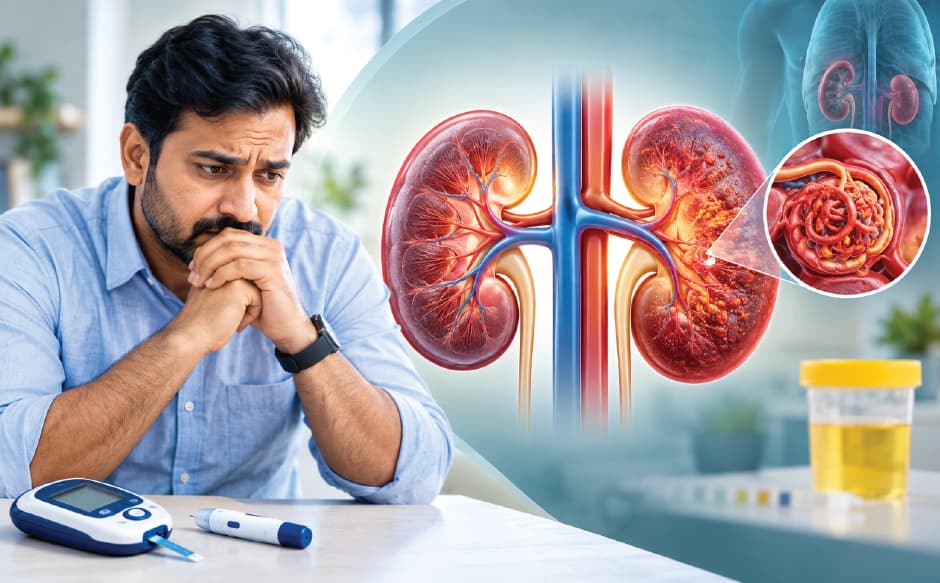
What makes hypertension dangerous isn't a single spike, it's sustained pressure over months and years. That constant force gradually damages artery walls, forces the heart to work harder than it should, and puts strain on organs that depend on steady blood flow: the kidneys, the eyes, the brain.
This is where the distinction between prevention and control matters:
-
Prevention applies to people who don't yet have a diagnosis, the goal is to keep BP from crossing into the hypertensive range in the first place.
-
Control applies to people already diagnosed, the goal is to keep BP within a safe range consistently, using both lifestyle measures and, where needed, medication.
Most people searching for guidance on this topic fall into one of these two groups, and the good news is that the underlying measures, diet, activity, sleep, stress, monitoring, overlap heavily between both.
Who Is Most at Risk? Modifiable vs. Non-Modifiable Factors
Not every risk factor can be changed, but knowing which ones can't helps you focus energy on the ones that can.
| Risk Factor | Why It Matters | Can It Be Changed? |
|---|---|---|
| Age (risk rises after 40–45) | Arteries naturally stiffen over time | No |
| Family history | Genetic predisposition to higher baseline BP | No |
| Gender pattern | Men tend to develop hypertension earlier; risk in women rises sharply post-menopause | No |
| High sodium diet | Sodium causes the body to retain fluid, raising blood volume and pressure | Yes |
| Sedentary lifestyle | Poor cardiovascular conditioning increases resting BP | Yes |
| Excess body weight, especially abdominal | Higher weight increases vascular resistance | Yes |
| Chronic stress | Repeated cortisol/adrenaline spikes elevate BP over time | Yes |
| Smoking and alcohol | Both damage artery walls and interfere with BP regulation | Yes |
| Poor sleep / sleep apnea | Disrupts the body's natural nightly BP dip | Yes |
The modifiable column is where preventive health measures for hypertension control actually apply, and it's worth noticing that most of these factors reinforce each other. Poor sleep drives stress eating; stress raises cortisol; high sodium and low activity compound the effect. That's also why isolated fixes rarely work as well as a combined approach.
8 Preventive Health Measures for Hypertension Control That Actually Work
Controlling hypertension starts with consistent, practical changes that support healthy blood pressure over the long term. Here are eight preventive health measures that can make a meaningful difference:
1. Rebuild Your Plate; Sodium, the DASH Approach & Potassium
Salt is the single biggest dietary lever for blood pressure. The WHO Global Report on Sodium Intake Reduction found that the average global adult consumes around 4,278 mg of sodium a day, more than double the WHO's recommended limit of under 2,000 mg/day (roughly one teaspoon of salt) (WHO, Sodium Reduction Fact Sheet).
In Indian cooking specifically, hidden sodium sources, pickles, papads, packaged snacks, restaurant curries, often push intake well past this without anyone realizing it.
Practical shifts that make a measurable difference:
-
Cook with less added salt, and season with lemon, herbs, and spices instead
-
Read labels on packaged foods, sodium hides in bread, sauces, and "healthy" snacks too.
-
Increase potassium-rich foods (bananas, spinach, coconut water, sweet potatoes), potassium helps the body flush excess sodium.
-
Where possible, follow a DASH-style pattern: more vegetables, fruits, whole grains, and lean protein; less red meat, fried food, and refined sugar.
2. Move Daily; the Activity Threshold That Lowers BP
You don't need intense workouts. Consistent moderate activity, brisk walking, cycling, swimming, for about 150 minutes a week (roughly 30 minutes, five days a week) has a well-documented effect on lowering both systolic and diastolic pressure over time. The key word is consistent: a single hard workout on the weekend doesn't offer the same protective effect as daily movement.
3. Manage Weight Around the Waist, Not Just the Scale
Total body weight matters, but waist circumference is often a better early signal for cardiovascular risk than BMI alone, since abdominal fat is more metabolically active and more strongly linked to elevated blood pressure. Even a 5–10% reduction in body weight for someone who is overweight can produce a noticeable drop in BP readings.
4. Treat Sleep as a Cardiovascular Habit, Not a Luxury
Blood pressure naturally dips by 10–20% during deep sleep, a pattern called "nocturnal dipping." Poor or fragmented sleep, and especially undiagnosed sleep apnea, blunts this dip, keeping BP elevated around the clock. Anyone with loud snoring, witnessed breathing pauses, or persistent daytime fatigue alongside high BP should be screened for sleep apnea rather than treating it as unrelated.
5. Build a Stress-Response Routine, Not Just "Relax More" Advice
Generic advice to "reduce stress" rarely works because stress itself is often unavoidable, what matters is how the body recovers from it. Structured approaches that show consistent results include:
-
Daily breathing exercises (even 5–10 minutes of slow diaphragmatic breathing).
-
Fixed wind-down routines before bed.
-
Regular physical activity, which independently lowers baseline cortisol.
-
Limiting late-evening screen and news exposure, which keeps the nervous system in a heightened state.
6. Cut Tobacco and Limit Alcohol
Nicotine causes an immediate, sharp spike in blood pressure with every use, and long-term smoking stiffens arteries permanently. Alcohol has a more delayed effect, moderate-to-heavy drinking is associated with sustained BP elevation over time, even in people who otherwise eat well and exercise.
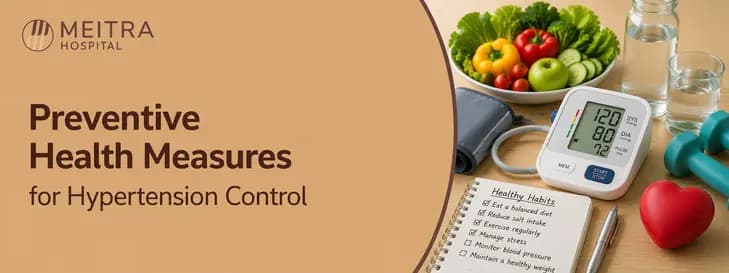
7. Monitor Blood Pressure at Home; Correctly
A single clinic reading can be misleading, "white coat hypertension" (BP that spikes only in a clinical setting) affects a meaningful share of patients. Home monitoring, done properly, gives a far more accurate picture:
-
Use a validated upper-arm digital monitor, not a wrist device.
-
Sit quietly for 5 minutes before measuring; feet flat, back supported.
-
Take two readings, one minute apart, at the same time each day.
-
Keep a log; trends over weeks matter more than any single reading
8. Don't Skip Medication Once Prescribed
For those already diagnosed, lifestyle measures work alongside medication, not instead of it. A common and costly mistake is stopping medication once BP readings normalize, this usually causes pressure to climb right back up, since the medication was what brought it into range in the first place. Any changes to dosage should go through a physician, never self-directed.


When Should You Start Screening for Hypertension?
Regular blood pressure checks can help identify hypertension early, even when you have no noticeable symptoms. Screening frequency may vary based on age, risk factors, and overall cardiovascular health.
| Age Group | Recommended BP Check Frequency | Also Worth Checking |
|---|---|---|
| 18–39 (no risk factors) | Every 2 years | Weight, family history review |
| 18–39 (with risk factors) | Annually | Blood sugar, cholesterol |
| 40–59 | Annually, or every visit | Kidney function, ECG if indicated |
| 60+ | At every clinical visit | Full cardiac risk profile |
Screening this early may feel unnecessary when nothing feels wrong, but that's precisely the point. Hypertension is diagnosed by numbers, not symptoms.
Also Read: Essential Health Screening Tests Every Adult Needs
Common Mistakes That Undo Good Prevention Efforts
Small everyday habits can quietly undermine your efforts to control blood pressure. Watch out for these common mistakes that may reduce the effectiveness of your prevention plan:
-
Treating diet as "salt only" and ignoring hidden sodium in sauces, snacks, and restaurant food.
-
Exercising hard once a week instead of moving consistently, consistency matters more than intensity.
-
Stopping medication once BP looks normal, without medical guidance.
-
Relying only on clinic readings instead of tracking trends at home.
-
Ignoring sleep issues, especially snoring or interrupted breathing, as unrelated to heart health.
-
Measuring BP incorrectly, right after coffee, exercise, or a stressful conversation, which skews readings.
How Meitra Hospital Approaches Preventive Hypertension Care
At Meitra Hospital in Kozhikode, hypertension prevention and management is handled as a joint effort between the Cardiology and Internal Medicine departments rather than treated as a single checklist item during a routine visit.
A typical preventive pathway includes a structured risk assessment, reviewing family history, existing conditions like diabetes or kidney concerns, weight and waist measurements, and current lifestyle patterns, alongside standard blood pressure and cardiac risk screening. For patients who are borderline or newly diagnosed, this is usually followed by lifestyle counselling covering diet, activity, and sleep, with a defined follow-up schedule rather than a one-time consultation.
This structure matters because hypertension prevention rarely succeeds as advice given once and forgotten, it requires periodic reassessment, especially in the first year after a borderline reading is first flagged.
Why Patients Across Kerala and Abroad Choose Meitra Hospital for Heart and BP Care
Kerala has long been a hub for advanced, accessible healthcare, and Meitra Hospital has built its reputation within that landscape by focusing on outcomes without inflating costs.
For a condition like hypertension, where ongoing monitoring and periodic specialist review matter as much as the first diagnosis, that combination of clinical depth and affordability is what tends to matter most to patients over the long run.
A few reasons patients, including a significant number of Gulf NRI and international patients, continue to choose Meitra for cardiac and hypertension-related care:
-
Experienced cardiology and internal medicine teams working in coordination, rather than in isolated silos
-
Transparent, cost-effective treatment packages, a meaningful factor for long-term conditions requiring repeat visits or diagnostics
-
Structured support for NRI and international patients, including coordination for travel, appointments, and follow-up care from abroad
-
A full diagnostic and cardiac care ecosystem under one roof, reducing the back-and-forth that often delays timely treatment
If you're unsure whether your blood pressure readings warrant a closer look, or you'd like a structured hypertension risk assessment, Meitra Hospital's team can help you get clarity rather than guesswork.
Chat with our Assistant to get guidance on next steps, or book a consultation with Meitra Hospital's Cardiology team.
Medical Disclaimer: This article is for general informational purposes only and is not a substitute for professional medical advice, diagnosis, or treatment. Always consult a qualified physician regarding any questions about your blood pressure, existing medical conditions, or before making changes to diet, exercise, or medication.