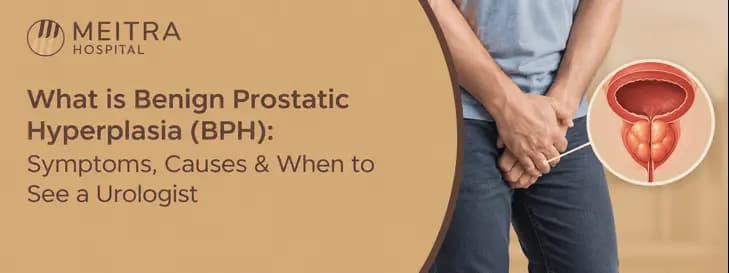

Benign prostatic hyperplasia (BPH) is a non-cancerous enlargement of the prostate gland. As the gland grows, it squeezes the urethra, so the bladder works harder and urination becomes frequent, slow or incomplete. This guide explains what is happening inside the body, how doctors confirm it, and which treatments fit which stage.
What is Benign Prostatic Hyperplasia (BPH)?
Benign prostatic hyperplasia is a gradual enlargement of the prostate gland that occurs in many men as they grow older. The word 'benign' means it is not cancer; 'hyperplasia' simply means the tissue has grown and multiplied. When your prostate enlarges, it can squeeze the urethra and restrict urine flow, leading to symptoms like frequent urination, weak stream, and incomplete emptying of the bladder.
BPH is extremely common, studies suggest that more than half of men in their 60s experience some degree of prostate enlargement, and this number rises with age. The condition is not life-threatening, but it can significantly affect your quality of life by disrupting sleep, limiting activities, and causing discomfort. Because BPH is so widespread, learning its causes and risk factors empowers you to take early action if you notice warning signs.
How Does the Prostate Work and Why Does It Enlarge?
Your prostate is a walnut-sized gland that sits just below your bladder and surrounds the urethra. It produces fluid that mixes with sperm to form semen during ejaculation. In younger men, the prostate typically stays small and does not interfere with urination. However, as you age, changes in hormone levels trigger cells within the prostate to multiply more rapidly than they die, causing the gland to grow.
This enlargement is a natural part of aging for many men, but it becomes problematic when the growing prostate compresses the urethra. Think of it like a pipe being squeezed from the outside, water still tries to flow through, but the pressure increases and the flow weakens. The bladder then has to work harder to push urine past the enlarged prostate, which leads to the urinary symptoms you may experience. Understanding this mechanical process helps explain why BPH symptoms develop and why early detection matters.
BPH vs BPE vs BPO vs LUTS
These terms are used interchangeably online, but they describe different things.
| Term | What it means |
|---|---|
| BPH | The microscopic tissue change: more prostate cells |
| BPE (benign prostatic enlargement) | The gland is physically larger, seen on examination or ultrasound; the NHS uses this name for the same condition |
| BPO (benign prostatic obstruction) | The enlarged gland is actually blocking urine flow |
| LUTS (lower urinary tract symptoms) | The symptoms you feel; BPH is the most common cause of LUTS in men, but not the only one |
What Are the Main Causes of BPH?
BPH does not have a single cause; rather, it results from a combination of factors that interact over time. The most significant causes are related to aging and changing hormone levels, particularly the conversion of testosterone to a potent form called dihydrotestosterone (DHT), which stimulates prostate cell growth. As men age, even if testosterone levels fall, the prostate becomes increasingly sensitive to DHT, triggering continued enlargement.
Other contributing factors include genetic predisposition, if your father or grandfather had BPH, your risk is higher, and inflammation within the prostate tissue. Chronic low-grade inflammation may accelerate cell proliferation and abnormal growth patterns. Additionally, lifestyle factors such as obesity, sedentary behavior, and diet rich in red meat and saturated fats have been linked to increased BPH severity in some men. Conversely, regular physical activity and a diet high in vegetables and fish may offer some protective benefit. Environmental and metabolic factors, such as insulin resistance and metabolic syndrome, also play a role in driving prostate enlargement in susceptible individuals.
BPH Symptoms: Storage, Voiding and After-Urination Signs
BPH symptoms usually build slowly, and they are grouped by when they occur:
| Group | What you may notice |
|---|---|
| Storage (bladder irritation) | Frequent or urgent need to pass urine, waking up two or more times at night (nocturia) |
| Voiding (blocked flow) | Trouble starting, weak or stop-start stream, straining |
| After urination | Dribbling at the end, feeling the bladder is not fully empty |
How Is BPH Diagnosed? What to Expect at Your First Visit
Diagnosis rests on your symptom history, a physical examination and ruling out other causes. A typical work-up looks like this:
| Step | What it tells the urologist |
|---|---|
| Symptom score (IPSS questionnaire) | How much the symptoms bother you |
| Digital rectal examination | Size and texture of the prostate; a smooth, symmetrical, painless gland suggests BPH (MSD Manual) |
| Urine test | Rules out infection or blood |
| PSA blood test | Helps assess prostate cancer risk; it can be raised in BPH too |
| Uroflowmetry and post-void residual (ultrasound) | How strong the stream is and how much urine stays behind |
| Urodynamics, in selected cases | Whether the problem is blockage or a bladder muscle issue |
| Prostate biopsy, only if cancer is suspected | Tissue confirmation |
Practical tip: Before your appointment, keep a 3-day bladder diary noting what you drink, when you pass urine and how much, and how many times you wake at night. It gives your doctor a clearer picture than memory alone.


BPH Treatment Options, Step by Step
Treatment moves through three broad stages: watchful waiting, drug therapy and surgery. Treatment is not needed unless symptoms are bothersome or complications develop.
| Stage | Options | Best suited for |
|---|---|---|
| Monitoring | Annual check and symptom review | Mild or no bothersome symptoms |
| Lifestyle | Fluid timing, less evening caffeine and alcohol, staying active | Everyone, alongside any other step |
| Medicines | Alpha-blockers relax prostate and bladder-neck muscle; 5-alpha reductase inhibitors shrink the gland; combinations and tadalafil are also used | Moderate symptoms |
| Minimally invasive procedures | Prostatic urethral lift (UroLift) and similar options | Selected prostate sizes and anatomy |
| Surgery | TURP, laser enucleation (HoLEP) and others | Severe symptoms, retention, recurrent infection, stones or kidney effects |
HoLEP vs TURP: What the Evidence Shows
HoLEP uses a laser through the urethra to remove the obstructing prostate tissue as intact lobes, with no external incision. A meta-analysis of 13 randomized trials found that HoLEP patients had shorter hospital stays, shorter catheter time and a smaller drop in haemoglobin, while TURP had the shorter operating time. Symptom scores and flow rates improved significantly with both. The right choice depends on gland size, medical fitness and your goals. See our page on HoLEP at Meitra for procedure detail.
Everyday Habits That Ease BPH Symptoms
- Time your fluids: Drink steadily through the day and taper two to three hours before bed.
- Cut evening caffeine and alcohol, which irritate the bladder.
- Double-void: After you finish, wait a moment and try again.
- Stay active: Inactivity was associated with more symptoms in the Indian community study.
- Review medicines with your doctor, because some drugs can worsen urine flow. Never stop a prescription on your own.
BPH Treatment at Meitra Hospital, Kozhikode
Many men with BPH also have diabetes, hypertension or kidney concerns, so it helps when one centre can look at the whole picture. Meitra's Centre for Nephro-Urosciences brings nephrology and urology together, so a man whose prostate is affecting his bladder or kidneys does not have to move between institutions.
What the care pathway looks like
- Dedicated clinics: The centre runs a Prostate Clinic and an Andrology Clinic, alongside Stone and Kidney Transplant clinics.
- Diagnostics in-house: Multichannel urodynamics, ultrasound-guided procedures, TRUS-guided prostate biopsy where cancer needs to be excluded, and a 128-slice CT scanner.
- Laser prostate surgery: HoLEP is offered for men whose prostate is obstructing urine flow; it is described as a minimally invasive alternative to TURP for suitable prostate sizes (HoLEP at Meitra).
- Specialist team: Dr. Kiran S, Incharge and Senior Consultant, holds MCh in Urology, DNB and FRCS (Urology), with experience in endourology, laser prostate surgery and kidney transplants. The centre is headed by Dr. Vinugopal.
- Kidney backup on campus: Dialysis (including ICU haemodialysis and peritoneal dialysis) and kidney transplant services sit in the same centre, which matters if long-standing obstruction has affected kidney function.
- Accreditation: NABH-accredited, with in-house laboratory services.
Care for patients from Kerala, the Gulf and abroad
Meitra's website is available in English, Malayalam and Arabic, and an International Patient service supports travellers. For patients abroad, a practical route is to share reports and symptom history first for a remote opinion, then travel only if a procedure is advised. Ask the team for a written estimate before any procedure so you can compare costs with your home country and other Indian cities, and check the insurance/TPA page for empanelled insurers.
Conclusion
Benign prostatic hyperplasia is a common, non-cancerous part of prostate ageing, and it is treatable at every stage. The key is not to normalise night-time trips to the toilet or a weak stream. A symptom score, a simple examination and a few tests are usually enough to separate BPH from other causes, and the plan can range from lifestyle changes and medicines to HoLEP when blockage is significant. See a urologist sooner if you notice blood in your urine, infections, or any difficulty emptying your bladder. If you would like a specialist opinion in Kozhikode, Meitra's Centre for Nephro-Urosciences is ready to help.
Chat with Meitra's assistant to ask a question or request an appointment.
Medical disclaimer: This article is for general information only and is not a substitute for professional medical advice, diagnosis or treatment. Always consult a qualified urologist about your symptoms. If you cannot pass urine, or have fever with urinary symptoms or blood in your urine, seek emergency care immediately.