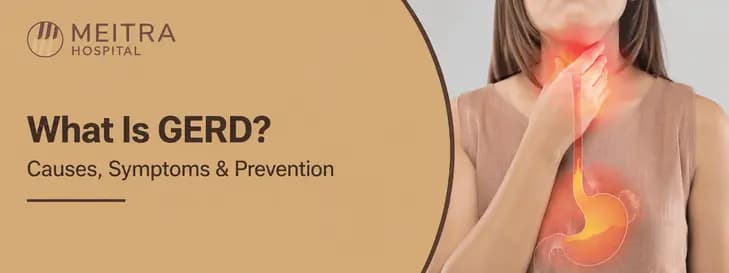

If you've ever felt a burning sensation crawl up your chest after a heavy meal, or noticed a sour taste creeping into your throat at night, you already have a first-hand sense of what gastroesophageal reflux disease (GERD) feels like. What most people don't realize is how common, and how manageable, it actually is.
This guide breaks down what actually causes GERD, the symptoms worth paying attention to (including the ones most people don't associate with reflux at all), and the specific lifestyle changes that research shows actually help, not generic advice, but changes grounded in clinical evidence and reviewed against how Kerala's gastroenterology specialists, including the team at Meitra Hospital, approach GERD management in practice.
What Is GERD, Exactly?
GERD stands for gastro-oesophageal reflux disease. It happens when stomach acid frequently flows back into the tube that carries food from your mouth to your stomach, called the oesophagus.
Unlike occasional heartburn, which many people experience after a large or spicy meal, GERD is chronic and persistent. The lower oesophageal sphincter, a ring of muscle that acts like a one-way valve, becomes weakened or relaxed when it shouldn't be, allowing acid to escape upward.
Many people manage mild symptoms on their own, but without proper care, GERD can lead to serious complications over time. Understanding that GERD is a medical condition rather than something you simply have to live with is crucial. The good news is that lifestyle changes and targeted management can bring substantial relief for most people.
Also Read: What Causes Stomach Pain? Symptoms, Causes & Treatment
What Causes GERD? The Real Reasons Behind Acid Reflux
GERD is rarely caused by one single factor, it's usually a combination of mechanical, dietary, and lifestyle contributors working together.
-
A weak or relaxed LES. This is the root mechanical issue in nearly every GERD case. Certain foods, hormones, and medications can cause the LES to relax more than it should, giving acid a way past the valve.
-
Hiatal hernia. When part of the stomach pushes up through the diaphragm into the chest cavity, it can interfere with how well the LES functions, making reflux more likely and often more severe.
-
Body weight and abdominal pressure. Extra weight around the abdomen physically pushes upward on the stomach, increasing the likelihood of acid escaping into the esophagus.
-
Diet, and this matters more in an Indian context than most generic GERD guides acknowledge. The Indian Society of Gastroenterology's task force study of over 3,200 subjects found GERD prevalence was 11% in non-vegetarians versus 6% in vegans, with non-vegetarian diets nearly doubling GERD risk after adjusting for confounders. Tea and coffee intake, tobacco use, and alcohol consumption were also independently identified as risk factors in the broader Indian meta-analysis cited earlier.
-
Pregnancy. Hormonal changes relax the LES, while a growing uterus adds abdominal pressure, which is why an Indian study found GERD prevalence jumps from about 9.5% in the first trimester to nearly 50% by the second and third trimesters.
-
Smoking, alcohol, and certain medications. Nicotine is known to weaken the LES directly, while alcohol both relaxes the sphincter and increases stomach acid production. Some NSAIDs and other medications can also aggravate symptoms, this is worth flagging to your doctor if reflux started after a new prescription.
GERD Symptoms: Common, Uncommon, and the Ones People Miss
GERD symptoms don't always look the same. While most people associate GERD with heartburn, the condition can also cause a range of digestive and throat-related symptoms. Recognising these early signs can help you seek treatment before ongoing acid reflux leads to complications.
Classic Symptoms
- Heartburn, a burning sensation in the chest, usually after eating or when lying down
- Regurgitation, the sensation of acid or food coming back into the throat or mouth
- Bloating and excessive belching
Atypical Symptoms People Rarely Connect to GERD
This is where a lot of misdiagnosis happens. GERD doesn't always announce itself as heartburn. It can also show up as:
- Chronic dry cough or throat clearing
- Hoarseness or voice changes, especially in the morning
- Sore throat with no other cold symptoms
- Asthma-like wheezing or worsening of existing asthma
- Disrupted sleep from nighttime reflux (a pattern sometimes called "silent GERD")
- Dental erosion from repeated acid exposure
Red-Flag Symptoms: See a Doctor, Don't Self-Treat
Seek medical evaluation promptly if you experience:
- Difficulty or pain when swallowing (dysphagia)
- Unexplained weight loss
- Vomiting blood or passing black stools
- Chest pain accompanied by shortness of breath, dizziness, or arm/jaw pain, this needs emergency evaluation to rule out a cardiac event, since GERD chest pain and heart-related chest pain can feel identical.
How Is GERD Diagnosed?
For classic, uncomplicated symptoms, doctors often begin with a clinical assessment and a trial of acid-suppressing medication to see if symptoms improve. When symptoms are persistent, atypical, or accompanied by red flags, further testing may include:
- Upper endoscopy: A thin camera examines the esophageal lining directly for inflammation, ulcers, or Barrett's esophagus.
- Ambulatory pH monitoring: Measures acid exposure in the esophagus over 24 hours.
- Esophageal manometry: Assesses the strength and coordination of esophageal muscle contractions.
- Validated symptom questionnaires (like GerdQ): Used in several of the Indian population studies cited above to standardize diagnosis across large sample sizes.


Lifestyle Changes for GERD That Are Actually Backed by Evidence
Lifestyle modification is the recommended first step for mild to moderate GERD, and for many people, it's genuinely enough to bring symptoms under control without long-term medication.
-
Manage abdominal pressure through weight. Since excess weight is one of the most consistently reproduced risk factors across Indian and global studies alike, even modest, sustainable weight loss can meaningfully reduce reflux frequency.
-
Respect the 3-hour rule. Avoid lying down for at least two to three hours after eating or drinking anything acidic or caffeinated, gravity is doing real work in keeping stomach contents where they belong.
-
Elevate the head of your bed by 6–8 inches. This uses gravity to reduce nighttime reflux episodes, which is particularly useful for anyone experiencing the "silent GERD" symptoms described earlier, nighttime cough, disrupted sleep, or morning hoarseness.
-
Rethink meal size and pace. Large meals stretch the stomach and increase pressure on the LES. Smaller, more frequent meals tend to be easier on the system than three large ones.
-
Adjust diet, with awareness of Indian-specific triggers. Below is a practical breakdown:
| Foods That Commonly Trigger GERD | GERD-Friendlier Alternatives |
|---|---|
| Fried and fatty foods, ghee-heavy curries | Grilled, steamed, or lightly sautéed preparations |
| Excess tea, coffee, and caffeinated drinks | Herbal teas, warm water, reduced caffeine intake |
| Spicy chutneys, pickles, chili-forward dishes | Milder spice profiles, herbs over chili heat |
| Citrus fruits, tomatoes | Bananas, melons, oats |
| Carbonated beverages | Plain or infused water |
| Chocolate and peppermint | Non-acidic fruit-based desserts in moderation |
| Non-vegetarian, richly marinated dishes eaten late at night | Lighter protein portions eaten earlier in the evening |
Also Read: Acid Reflux Home Remedies & Prevention Guide
-
Cut back on smoking and alcohol. Both directly weaken the LES and are independently linked to higher GERD prevalence in Indian population data cited earlier.
-
Mind posture and clothing. Tight waistbands and slouched posture both increase abdominal pressure. Avoid vigorous exercise, particularly ab-focused workouts, immediately after eating.
Why Patients From Across India and the Gulf Choose Meitra Hospital for Digestive Care
If lifestyle changes aren't enough, or if your symptoms include any of the red flags above, the next step is a proper gastroenterology consultation, and where you go for that consultation matters.
Meitra Hospital in Kozhikode houses a dedicated Centre of Excellence in Gastrosciences, with a Medical Gastroenterology department focused specifically on conditions along the digestive tract, liver, and pancreato-biliary system, GERD included. A few things set the experience apart for patients weighing their options in North Kerala:
-
Accreditation that's hard to match regionally. Meitra is the first hospital in the Malabar region to achieve JCI accreditation, alongside NABH, NABL, and Green OT certifications, a combination that reflects internationally benchmarked safety and quality standards, not just local recognition.
-
Diagnostic depth under one roof. Upper endoscopy, pH monitoring, and related gastroenterology diagnostics are available on-site, avoiding the delays and fragmented care that come from being referred between facilities.
-
Cost-effective care without cutting corners. Treatment at Meitra is structured to be significantly more affordable than equivalent quaternary-level care in metro cities or overseas, while still meeting international accreditation benchmarks, a combination that matters for both domestic patients and the Gulf NRI community Meitra regularly serves.
-
A genuine international patient infrastructure. For patients travelling from the UAE, Saudi Arabia, Oman, and Kuwait, Meitra offers a dedicated international patient desk, case coordination, and support designed around the realities of travelling for care rather than treating it as an afterthought.
If your reflux symptoms have moved beyond what dietary changes can manage, a consultation with Meitra's gastroenterology team is a reasonable, low-friction next step, close to home for Malabar residents, and accessible for those travelling from further afield.
Conclusion
GERD sits in an unusual spot in digestive health: common enough that it's often dismissed as "just acidity," yet serious enough, left untreated, to lead to esophageal damage that's much harder to reverse.
The encouraging part is that a meaningful share of GERD cases respond well to the lifestyle changes outlined above, weight management, meal timing, diet adjustments, and simple habits like elevating the head of your bed.
But persistent, worsening, or red-flag symptoms are your body's signal to get a proper diagnosis rather than continuing to manage things with antacids alone. Understanding your own trigger pattern, and knowing when it's time to see a specialist, is the real first step toward lasting relief.
Have Persistent acid reflux or GERD symptoms? Chat with our care assistant to understand your symptoms better,
Medical Disclaimer: This article is for general informational purposes only and is not a substitute for professional medical advice, diagnosis, or treatment. Always consult a qualified gastroenterologist or physician regarding any symptoms, diagnosis, or treatment plan specific to your condition.