
Every 40 seconds, someone in the United States has a heart attack. In India, the picture is equally stark, the Indian Heart Association reports that half of all heart attacks in Indian men occur before the age of 50, and a quarter before the age of 40.
These are not just statistics. They are missed dinners, silenced voices, and preventable losses, often because the warning signs were misread or ignored entirely.
Most people picture a heart attack as a sudden, dramatic collapse. In reality, the body often whispers long before it screams. Recognising these signals early, the subtle pressure in the chest, the jaw ache that feels like a dental problem, the breathlessness climbing one flight of stairs, can be the difference between full recovery and irreversible damage. This guide walks you through every warning sign of a heart attack: the well-known ones, the ones most people dismiss, the ones that look completely different in women, and the critical steps to take when you suspect one is happening.
What Is a Heart Attack?
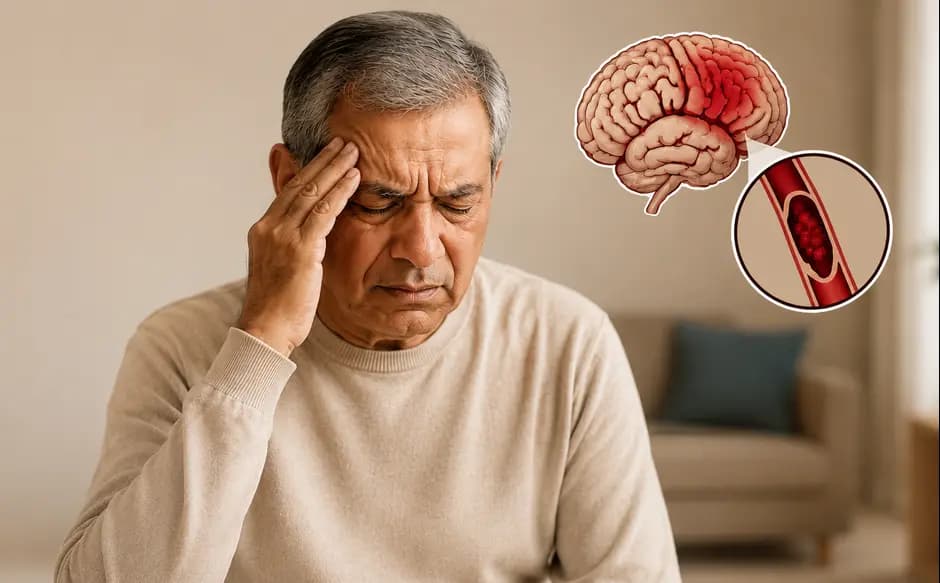
A heart attack, medically known as a myocardial infarction (MI), occurs when blood flow through one of the coronary arteries is severely reduced or completely blocked usually by a ruptured plaque and the blood clot that forms around it. Starved of oxygen, the heart muscle begins to die. The longer the blockage persists, the greater the damage.
Not all blockages are equal. There are two primary types:
- STEMI (ST-Elevation Myocardial Infarction): A complete blockage, the classic, immediately life-threatening heart attack.
- NSTEMI (Non-ST-Elevation Myocardial Infarction): A partial blockage that still significantly reduces blood flow and requires urgent treatment.
Understanding the type matters because the speed and method of treatment differ. Both are medical emergencies.
The Classic Warning Signs of a Heart Attack
These are the symptoms most commonly recognised, and the ones most people still delay acting on.
1. Chest Discomfort or Pain
The most widely known symptom is not always sharp or stabbing. It more often presents as:
- A feeling of pressure, squeezing, or heaviness in the centre or left side of the chest
- A sensation of fullness that doesn't go away
- Chest tightness that may last more than a few minutes, or go away and return Many people confuse this feeling with indigestion or heartburn, which is a dangerous error. If the discomfort is persistent and unusual for you, treat it as a cardiac symptom until proven otherwise.
2. Pain Radiating to the Arm, Jaw, Neck, or Back
The heart shares nerve pathways with other parts of the upper body. This is called referred pain the heart's distress signal misrouted to the arm (classically the left, but both can be affected), the jaw, the neck, or the upper back. This radiating pain is particularly easy to dismiss. People visit dentists for jaw pain, blame gym workouts for shoulder aches, or chalk up back pain to posture all while a cardiac event progresses.
3. Shortness of Breath
Difficulty breathing, especially when at rest or with only light exertion, can occur with or without any chest discomfort. When the heart isn't pumping effectively, fluid can back up into the lungs, making breathing laboured. Do not attribute unexplained breathlessness solely to fitness level or anxiety.
4. Cold Sweat, Nausea, and Lightheadedness
Breaking into a sudden cold sweat, feeling sick to your stomach, or feeling dizzy without an obvious reason can all accompany a heart attack. These are the body's stress response to cardiac distress, the sympathetic nervous system releasing adrenaline, causing pallor, sweating, and nausea.
But not every heart attack begins with dramatic chest pain many start with symptoms that seem minor, vague, or easy to brush aside.


The Subtle Warning Signs Most People Miss
The symptoms above are taught in first aid courses. The ones below are far less discussed and more frequently dismissed.
5. Unusual Fatigue Days or Weeks Before
Research has consistently shown, particularly in women that extreme, unexplained fatigue appearing days or even weeks before a heart attack is a significant early warning. This isn't tiredness from a busy day. It is a bone-deep exhaustion that doesn't improve with rest, often accompanied by a vague sense that something is wrong. The heart, under increasing strain, is working harder to maintain circulation. The body responds by diverting energy away from normal activity.
6. Jaw, Tooth, or Ear Pain With No Dental Cause
Several cardiologists have documented cases of patients who underwent dental procedures, root canals, extractions, for persistent jaw pain, only to discover later that the root cause was cardiac. If your jaw aches and your dentist finds nothing wrong, consider requesting a cardiac evaluation, especially if you have risk factors.
7. Indigestion That Won't Resolve
Upper abdominal discomfort, bloating, or what feels like a persistent acid reflux episode particularly when not associated with food or when antacids provide no relief can be a heart attack presenting in an atypical way. The lower portion of the heart sits close to the diaphragm, and pain in this region can mimic gastrointestinal symptoms closely.
8. Sleep Disturbances and Anxiety
Some individuals report new-onset difficulty sleeping, waking from sleep with a feeling of unease or shortness of breath, and an inexplicable sense of anxiety or impending doom in the days leading up to a heart attack. This is not simply stress, it may reflect the heart's increasing struggle, expressed through the nervous system.
9. Swollen Ankles or Legs
Oedema, fluid retention in the lower extremities, can signal that the heart is not pumping efficiently enough, causing fluid to pool. If your ankles or feet are swelling without a clear explanation (like long travel or injury), it warrants investigation.
Heart attack symptoms are not always identical across genders, which is why recognising these differences early can be critically important.
Heart Attack Warning Signs in Women
One of the most under-appreciated aspects of cardiac care is that heart attacks in women frequently present differently from the textbook description. Because clinical research has historically focused on male patients, many of the "classic" symptoms reflect male presentations.
Women are more likely to experience:
- Nausea and vomiting as a primary symptom, without significant chest pain
- Back pain between the shoulder blades, often attributed to posture or muscle strain
- Jaw pain or throat tightness without any chest involvement
- Profound, sudden fatigue that appears out of nowhere
- Shortness of breath, even while at rest
The key message: if something feels wrong, abnormally wrong; take it seriously, regardless of whether it fits the "classic" chest-clutching picture.
Warning Signs That Appear Weeks Before a Heart Attack
Some heart attacks are genuinely sudden. Many are preceded by a period of warning signs that the body has been broadcasting for days or weeks:
- Recurring chest discomfort that comes and goes, especially with exertion.
- Progressive decline in exercise tolerance, activities that were previously easy now causing breathlessness or fatigue.
- Worsening snoring or sleep apnoea symptoms (untreated sleep apnoea is a significant cardiac risk factor).
- Heart palpitations, an awareness of the heartbeat being irregular, too fast, or pounding
- Persistent upper body pain in any combination of the arm, jaw, neck, or back
These are not definitive proof of an impending heart attack, but in someone with cardiovascular risk factors, they are red flags that demand prompt evaluation.
What to Do If You Suspect a Heart Attack: Every Minute Counts
The phrase "time is muscle" is literal in cardiac medicine. For every minute a coronary artery remains blocked, roughly two million heart muscle cells die. Here is what to do:
- Call emergency services (108 in India) immediately. Do not attempt to drive yourself to the hospital.
- Chew one adult aspirin (325mg) if available and not allergic, this helps prevent further clot formation. (Note: always confirm with a healthcare provider what to keep accessible if you are at high risk.)
- Sit or lie in a comfortable position, whichever causes least distress to breathing.
- Loosen any tight clothing around the chest and neck.
- Do not eat or drink anything if surgery may be required.
- Stay on the line with emergency services and follow their instructions until help arrives.
- If the person becomes unresponsive and stops breathing normally, begin CPR if trained to do so.
Do not wait to see if the symptoms resolve on their own.
When every minute affects heart muscle survival, receiving treatment at a specialised cardiac centre can make a life-saving difference.
Treatment at a Specialist Centre: Why It Matters
Not every hospital can perform emergency PCI or manage complex cardiac events. Access to a dedicated cardiac catheterisation laboratory, experienced interventional cardiologists, and round-the-clock cardiac surgery backup changes outcomes significantly.
Meitra Hospital's Centre for Excellence in Heart and Vascular Care in Kozhikode, Kerala, is one of the few centres in the region equipped with an Advanced Robotic Hybrid Cardiac Catheterisation Lab with Dyna CT, the first of its kind in South India.
The centre offers the full spectrum of cardiac care, from emergency angioplasty and TAVR to complex cardiac surgery including bypass grafting (CABG) and heart transplantation.
The team, including interventional cardiologists with fellowships from leading institutions in the US and Europe, manages everything from acute coronary syndromes (heart attacks) to chronic heart failure and complex valvular disease. Critically, the hospital is accessible to both domestic patients and international patients from the Gulf region and beyond, offering high-quality cardiac care at a cost structure that is significantly more accessible than comparable centres in Western countries or even many metro Indian hospitals.
If you are concerned about your heart health or have a family history of cardiac disease, our cardiologists at Meitra Hospital are available for in-person and virtual consultations. Contact us today, early assessment is the smartest investment your heart will ever get.
Conclusion
A heart attack rarely announces itself with fanfare. It arrives in disguise — as an ache in the jaw, a breathlessness on the stairs, a fatigue that doesn't lift, or a cold sweat in the middle of the night. The body sends signals. The question is whether we are trained to hear them.
The most important things to hold on to: know your risk factors, recognise the full range of warning signs (not just the classic chest-clutching image), act immediately when something feels wrong, and know where to go for expert cardiac care. Prevention, early detection, and access to a skilled cardiac team are the three pillars that determine whether a heart attack becomes a survivable event or a tragedy.
Have questions about your symptoms or want to know more about heart health evaluations? Chat with our medical assistant for quick, confidential guidance, available 24/7.
Medical Disclaimer: This article is intended for general educational and informational purposes only and should not be considered medical advice or a substitute for professional consultation. If you experience symptoms of a heart attack or any cardiac emergency, seek immediate medical attention or contact Meitra Hospital’s Emergency Department without delay. Always consult a qualified cardiologist for personalised diagnosis and treatment.